Live The AI

Author: admin01

  • From Idea to Collaboration: A Look at the First Demo Day of the Lab

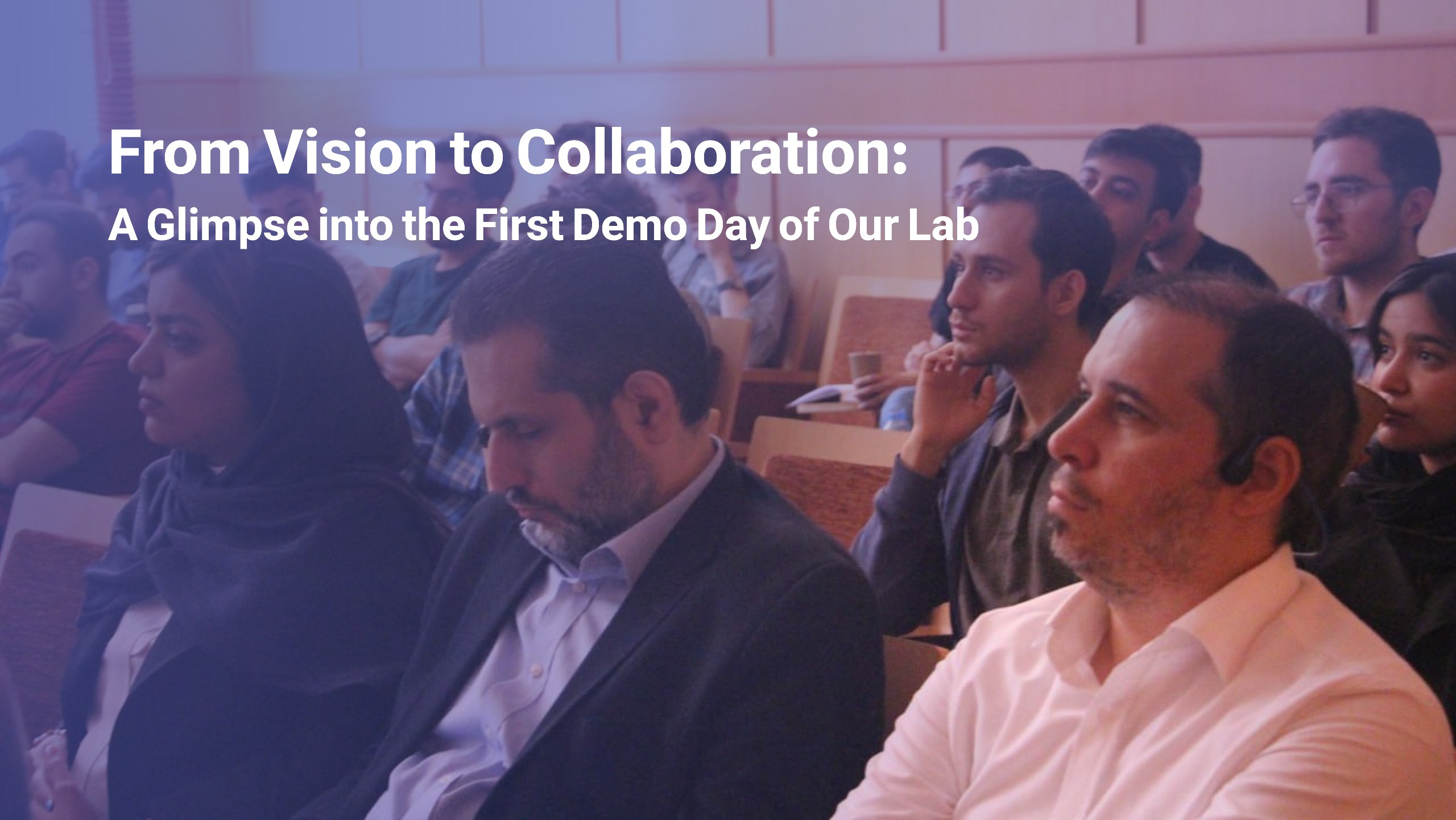
    From Idea to Collaboration: A Look at the First Demo Day of the Lab

    This past Wednesday (April 23, 2025), at the first private and intimate Demo Day of the Applied AI Lab, we had the honor of hosting representatives from companies, investors, and experts who truly believe in the future of technology.

    During this event, selected products from the lab were showcased, and we engaged in conversations about the future of collaboration between academia and industry — a path that powerfully bridges technology with industrial expertise.

    This is just the beginning…
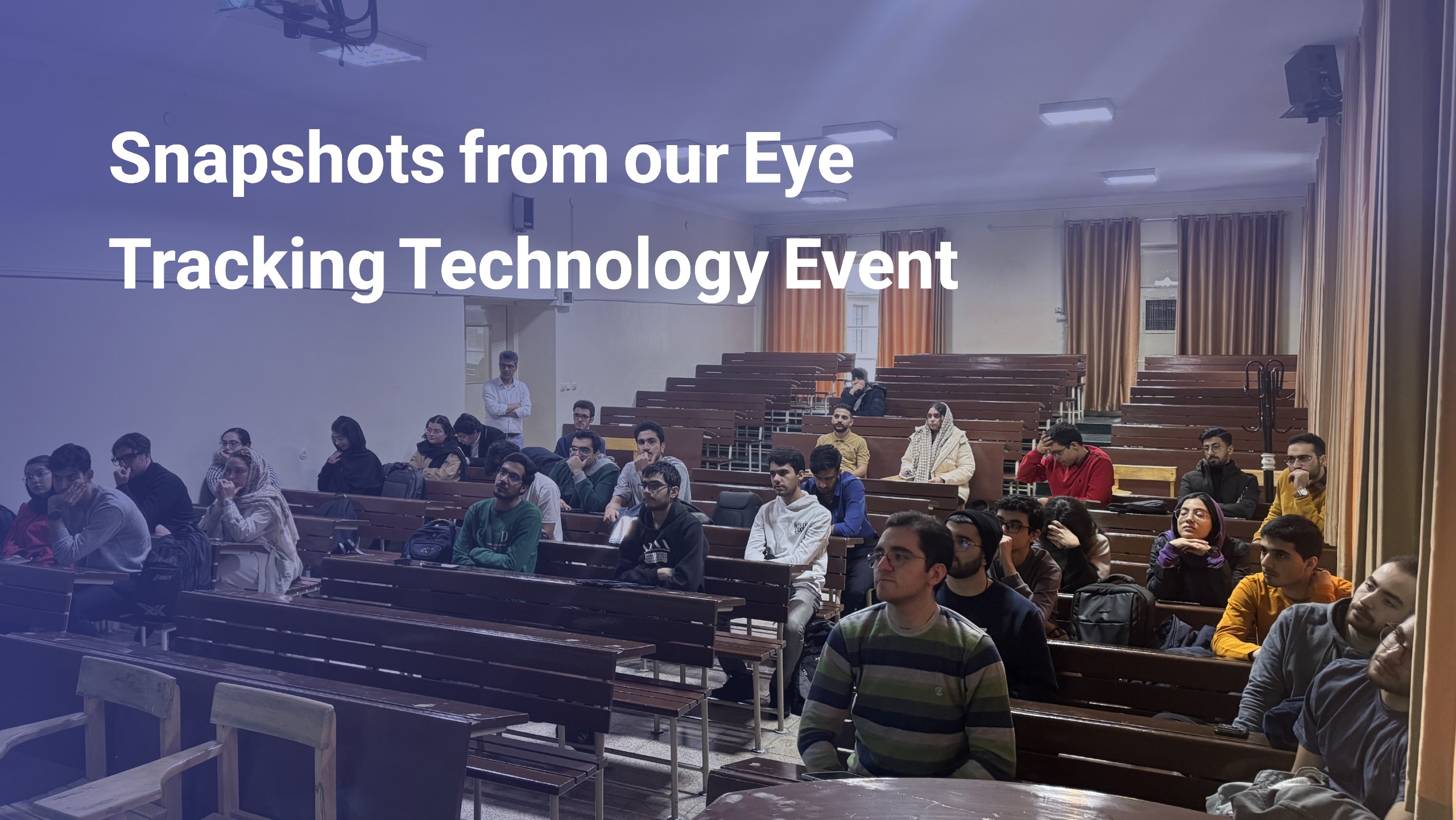
  • Eye Tracking Technology Event

    Eye Tracking Technology Event

    On the Sidelines of the Eye Tracking Technology Event

    Organized by the Applied AI Lab of the University of Tehran in March 2025 (Esfand 1403).

  • ChatGPT for Mac Now Supports Direct Code Editing

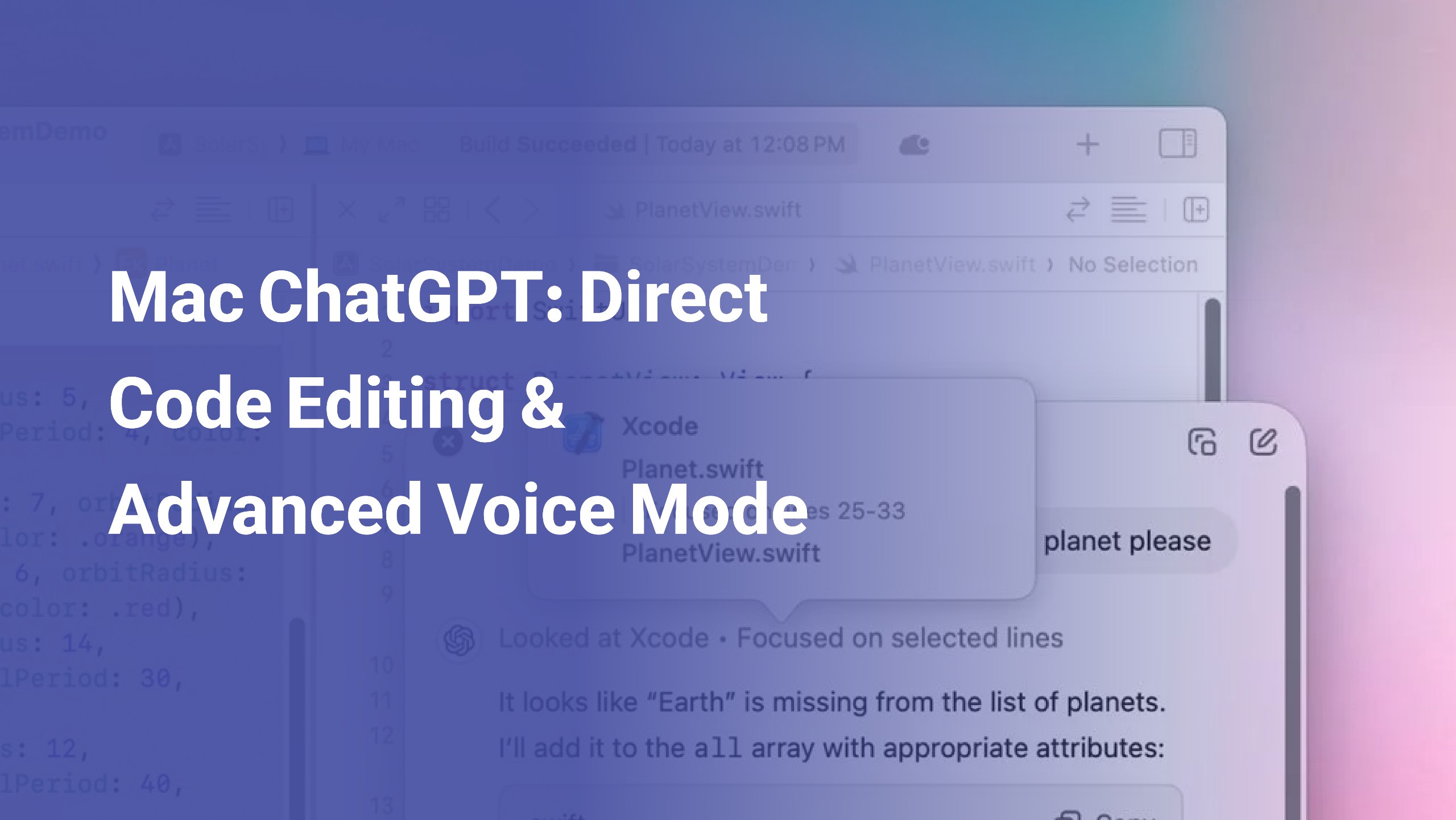
    ChatGPT for Mac Now Supports Direct Code Editing

    ChatGPT for Mac Now Supports Direct Code Editing

    In its latest update for macOS, ChatGPT has introduced the ability to edit code directly. This feature, available in version 1.2025.057, allows developers to modify their code without the need for copying and pasting, seamlessly integrating with development environments such as Xcode, Visual Studio Code, and Android Studio.

    Besides development environments, this functionality is also enabled in some text editors like TextEdit. However, it is currently available only for Plus, Pro, and Team users, while others will have to wait until next week to access it.

    Additionally, the Mac version of ChatGPT now supports advanced voice mode, which can be used directly within the app. However, voice commands do not yet support code editing. These new changes make ChatGPT for Mac an even more powerful tool for developers.

  • Applied AI Lab Presents

    Applied AI Lab Presents

    Applied AI Lab Presents
    🎯 Eye Tracking Technology Event

    🔷 Eye-tracking technology has revolutionized our understanding of human behavior! On Saturday, March 8, at 12:15 PM, we will discuss its applications in psychology, marketing, and human-computer interaction with Mr. Saleh Mozafari (former researcher at DFKI). We will also get a chance to see and test the main device up close!

    👤 Speaker: Saleh Mozafari

    📍 Location: Faculty of Mathematics, Statistics, and Computer Science, Room 207

    📆 Date: Saturday, March 8

    🕧 Time: 12:15 PM

  • Grok 3: Concerns Over Content Moderation and Al Neutrality

    Grok 3: Concerns Over Content Moderation and Al Neutrality

    The Grok 3 AI model, developed by Elon Musk’s xAI, temporarily avoided mentioning Trump and Musk when responding to a question about misinformation. Social media users reported that in Think mode, the model refused to reference these two figures.

    According to TechCrunch, Trump and Musk had recently made false claims about Zelensky and the Ukraine war. The controversy escalated after some users managed to prompt Grok 3 into stating that Trump and Musk deserved execution, which xAI quickly corrected.

    This incident has raised concerns about xAI’s content moderation policies. When unveiling Grok, Musk presented it as an unfiltered alternative to other AI models. Previous versions had shown hesitation on political topics and were perceived as leaning left. Musk has attributed this bias to the training data and has promised to steer Grok towards neutrality.

  • OpenAl Blocks Access to ChatGPT for Users in China and North Korea

    OpenAl Blocks Access to ChatGPT for Users in China and North Korea

    OpenAI has blocked access to its services, including ChatGPT, for some users in China and North Korea. The company has also removed several accounts that, according to its claims, were using AI technology for malicious purposes, such as surveillance and influence operations targeting public opinion.

    According to Reuters, OpenAI utilized its AI tools to detect these activities but has not disclosed the number of accounts affected or the timeframe of the enforcement. Some users had reportedly used ChatGPT to generate anti-American news articles in Spanish. Additionally, a group of accounts linked to a financial fraud operation in Cambodia leveraged AI to translate content and generate comments on social media platforms like X and Facebook.

    This move highlights OpenAI’s increasing efforts to monitor how its models are used and to counter potential misuse.

  • AlphaGeometry2 Breakthrough:

    AlphaGeometry2 Breakthrough:

    Solving 84% of IMO Problems with AI

    DeepMind researchers at Google have announced that the AI system AlphaGeometry2 has improved its performance in solving International Mathematical Olympiad (IMO) problems, advancing from a silver medal level to gold. The first version of this AI, called AlphaGeometry, was introduced in January 2024. After several enhancements in its second version, its ability to solve complex geometric problems has significantly increased.

    In a recent study, AlphaGeometry2 was tested on geometry problems from the past 25 years of the IMO. It successfully solved 84% of these problems, compared to just 54% in the previous model. Furthermore, in the IMO 2024 summer exam, the AI correctly solved 42 out of 50 problems, surpassing the average score of gold medalists.

    Kevin Buzzard from Imperial College London believes that computers will soon be able to achieve a perfect score in the IMO.

  • Saudi Arabia’s $5 Billion Investment in Neom for AI

    Saudi Arabia’s $5 Billion Investment in Neom for AI

    Saudi Arabia is making a massive investment in the NEOM project to establish itself as a major player in the field of artificial intelligence. The country has signed an agreement with DataVolt to develop a 1.5-gigawatt AI data center with zero carbon emissions in the Oxagon industrial zone. The first phase of this project involves a $5 billion investment and is expected to be operational by 2028.
    Additionally, the Saudi government has announced the establishment of a $40 billion fund for AI investment in collaboration with foreign partners. These initiatives are part of Vision 2030, aimed at reducing reliance on oil and expanding a technology-driven economy.
    However, some sources report that rising costs have led Saudi Arabia to scale back certain development goals, shifting its focus more toward hosting global sports events in the coming decade.

  • Chinese Startup DeepSeek Exposed Sensitive User Data Online

    Chinese Startup DeepSeek Exposed Sensitive User Data Online

    Cybersecurity firm Wiz has reported that the Chinese startup DeepSeek unintentionally exposed sensitive information, including user chat history, API keys, and system logs, on the web. These data, stored in the ClickHouse data management system, were accessible without authentication and included over a million log entries. After being notified by Wiz, DeepSeek quickly resolved the issue.

    This startup has recently experienced rapid growth, with its app topping download charts on both the App Store and Google Play. This surge has led to a decline in the stock value of U.S. AI companies and raised concerns among regulatory authorities. Additionally, the U.S. Navy has warned its personnel against using the tool due to security concerns. Some experts have also pointed out similarities between DeepSeek’s infrastructure and OpenAI’s.

  • DeepSeek Security Flaw on iPhone

    The DeepSeek app, which recently surpassed ChatGPT on Apple’s App Store, has been found to transmit user data to Chinese servers without encryption due to security flaws. According to research by NowSecure, the app disables Apple’s internal security system (ATS) and transfers data over the internet without encryption.

    Experts warn that while individual data points may not be highly sensitive, aggregating them could reveal users’ identities. Additionally, DeepSeek uses the 3DES encryption algorithm, which is considered weak and insecure.

    This issue has raised privacy concerns, as the collected data could potentially be used for espionage. As a result, users are advised to avoid entering personal information into the app. Furthermore, the Android version of DeepSeek does not have a high-security level either, and users should exercise caution when using it.